The experience underneath the work.
Essays on the moments family caregiving doesn't have a script for — the sibling dynamic, the spouse who became the caregiver, the first conversation about the car keys, the long quiet shape of burnout, the parent who refuses help. Not product writing. The thinking that informs it.
When you are the sibling caregiver
A category that doesn't have a name. Why next-of-kin presumptions skip past siblings, what authority you actually need to document, and the design moves that serve sibling caregivers better than most software does.
Read →Psychology
Marriage, in the years of caregiving
About forty percent of family caregivers are caring for a spouse. They are also the most invisible group in the caregiving world. On the loneliness with no script, the legal layer that wants to be skipped, and protecting the marriage from the management.
Read →Roles
The workspace that outlives you
For parents of adult children with disabilities or lifelong complex needs: the operational knowledge that lives in your head, why it has to be externalized while you can still do it, and what goes in the workspace a sibling will someday inherit.
Read →Onboarding
Free for a Year
The first 12 months are on us. No card, no waitlist, no upsell — just the workspace, working, for the people who need it most right now.
Read →Onboarding
The 13-step Intake
Every doctor, hospital, social worker, and care manager asks the same questions in different orders. Whether you're caring for a parent, a spouse, an adult child with complex needs, or a sibling, Kintaria captures the answers once — including the ones nobody else asks about — so you stop reciting from memory at every desk. And every answer wires into the rest of the workspace.
Read →Psychology
When a parent refuses help
The book on how to ask. Not the chess match. The slow, repeated, gentle returning to the topic that actually works on the third or fourth try.
Read →Psychology
Caregiver guilt
The voice that says you're not doing enough. Why it's loudest in the people doing the most. And what to do about it that isn't just "self-care."
Read →Psychology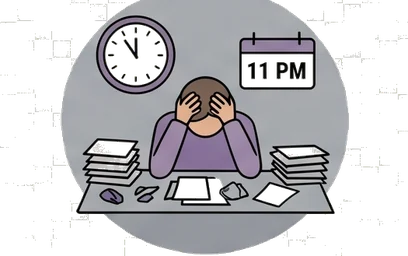
The shape of caregiver burnout
Burnout doesn't announce itself. It seeps in through 11 PM phone calls and a kitchen counter that hasn't been wiped in three weeks. What to watch for, and when to ask for help.
Read →Roles
Coordinating care with siblings
The hardest part isn't the medicine. It's the four adult children who haven't coordinated anything since college. The conversations that have to happen, and the ones the software can quietly absorb.
Read →Psychology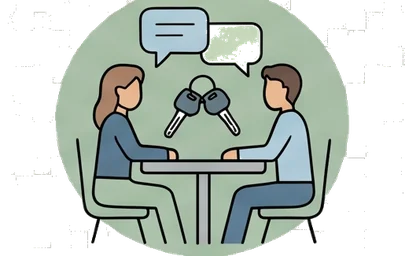
The car keys conversation
How families actually handle the moment when Dad shouldn't be driving anymore. The legal angle, the safety angle, and the conversation that, done right, leaves the relationship intact.
Read →